Why Asphalt Roofs Dominate American Homes
Asphalt roofs are the most popular roofing choice in the United States — and by a wide margin. Here’s the short answer on why:
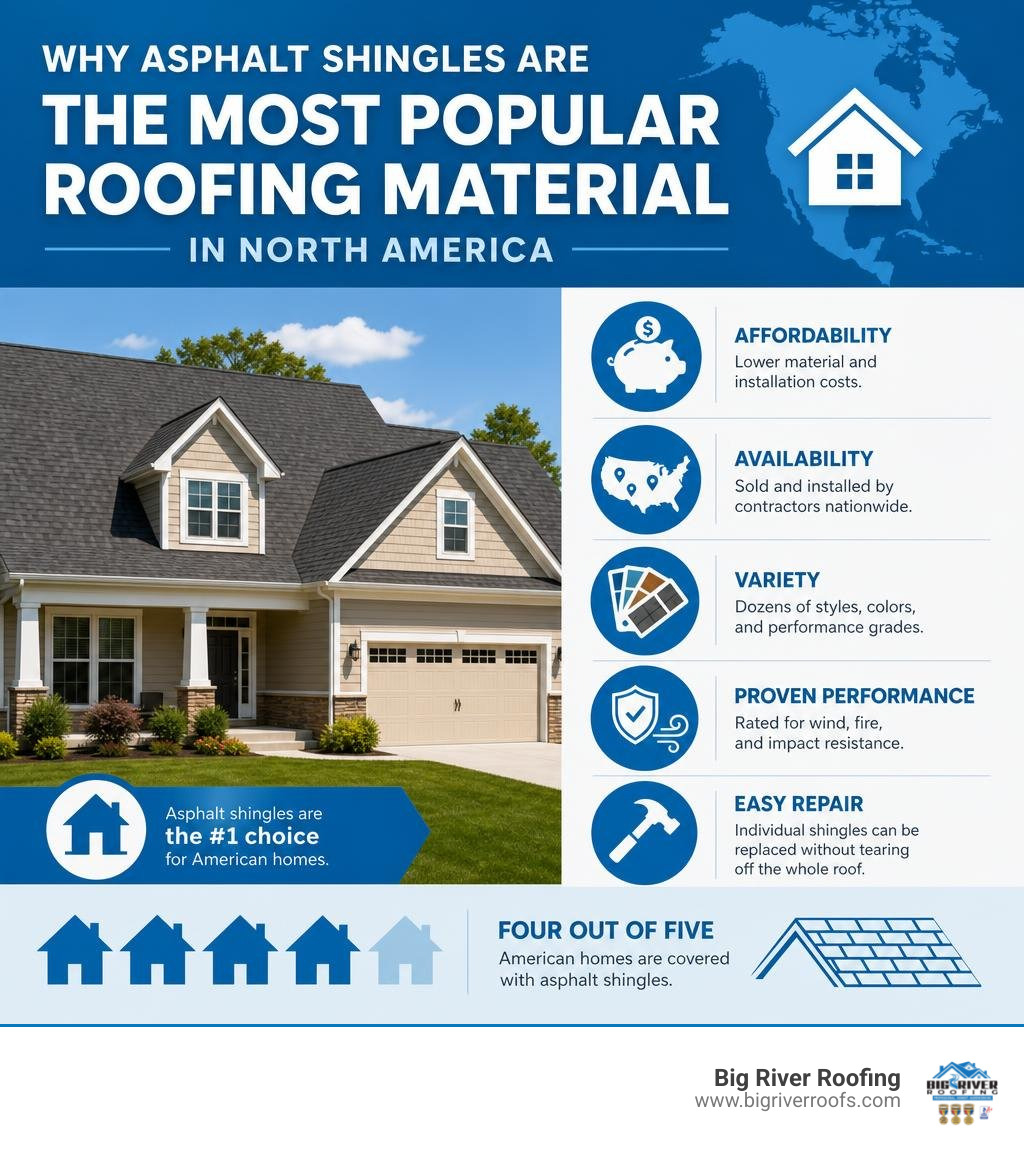
Why asphalt shingles are the #1 roofing material in the U.S.:
- Affordability — Lower material and installation costs than metal, slate, or tile
- Availability — Sold and installed by contractors nationwide
- Variety — Dozens of styles, colors, and performance grades
- Proven performance — Rated for wind, fire, and impact resistance
- Easy repair — Individual shingles can be replaced without tearing off the whole roof
Four out of five American homes are covered with asphalt shingles. That’s not a coincidence — it reflects decades of refinement in how these products are made, tested, and installed.
If your roof is 20 years old or showing signs of wear after a bad storm, understanding why asphalt dominates can help you make a smarter, more confident decision about what comes next.
I’m Don Kovac, owner of Big River Roofing in Hermitage, Pennsylvania, and I’ve worked on asphalt roofs across Mercer, Lawrence, Butler, and Beaver Counties for years, holding certifications from IKO, Owens Corning, and CertainTeed. In this guide, I’ll break down everything you need to know — from how asphalt shingles are made to how long they last and what to watch for after a storm.
The Anatomy and Manufacturing of Modern Asphalt Roofs
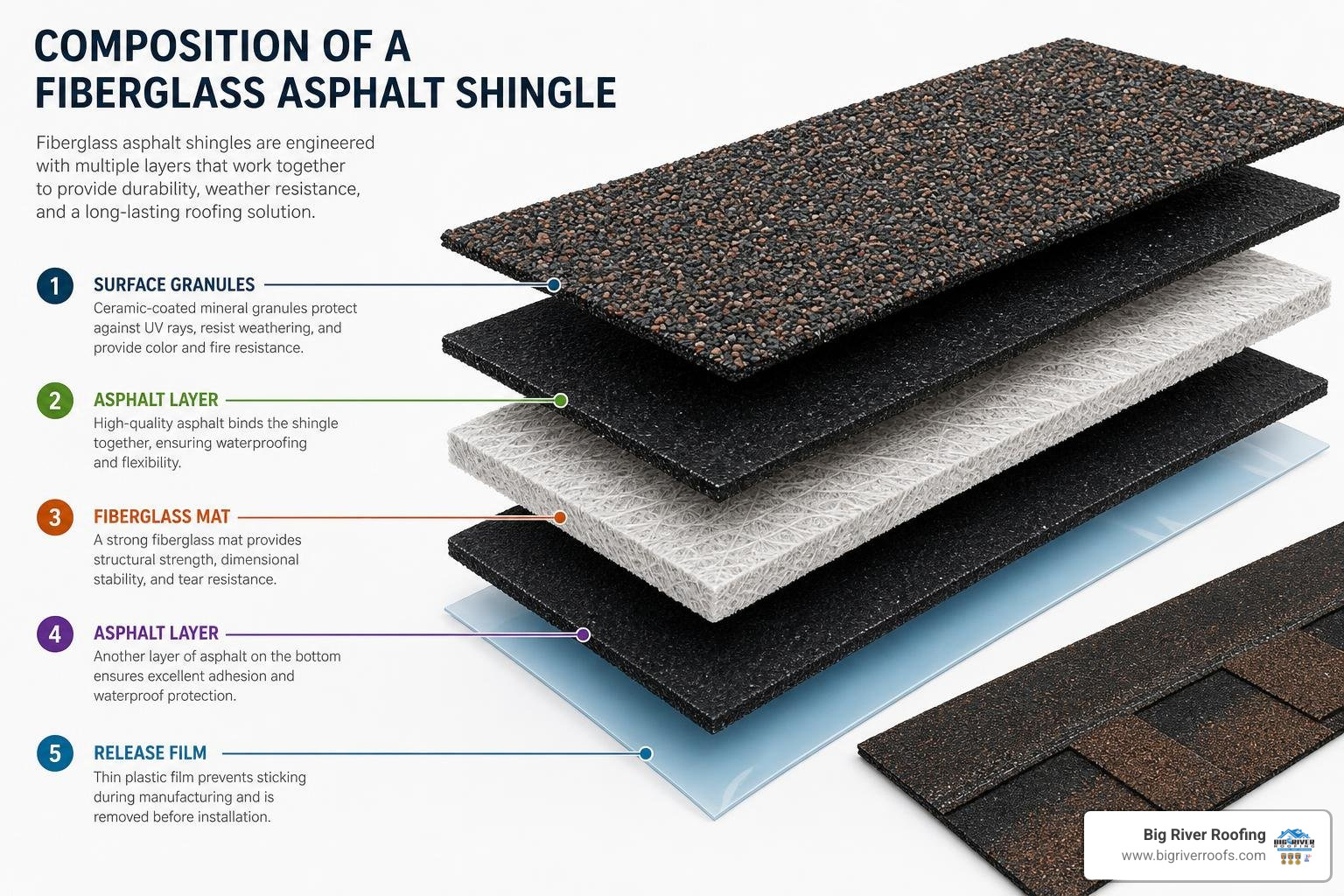
To appreciate why asphalt roofs perform so well in our unpredictable Western Pennsylvania climate, it helps to understand what actually goes into a single shingle. It’s not just a block of raw asphalt slapped onto your house. Instead, modern shingles are highly engineered, multi-layered sandwiches designed to shed water, resist wind, and block destructive ultraviolet (UV) rays.
The performance of these products is heavily regulated by industry standards, as detailed in the Residential Asphalt Roofing Manual. A standard shingle consists of three primary components:
- The Base Mat: The structural backbone of the shingle.
- The Asphalt Coating: Specially processed coating-grade asphalt (often oxidized or “blown”) that provides the primary waterproofing barrier.
- The Mineral Granules: Small, crushed rock particles embedded into the top layer of asphalt.
These mineral granules do more than just make your roof look pretty. They shield the underlying asphalt coating from intense UV rays, which would otherwise dry out and crack the shingle in a matter of years. Many modern granules also feature ceramic coatings with specialized copper or zinc additives to resist dark, unsightly algae growth.
Fiberglass vs. Organic Mat Bases
For much of the 20th century, organic felt (made from recycled paper and wood fibers saturated with soft saturant-grade asphalt) was the standard substrate for shingles. However, the roofing landscape shifted dramatically in the late 1970s and early 1980s. By 1982, fiberglass-based shingles overtook organic felt as the industry standard.
Why did organic mat bases fall out of favor? It comes down to fire resistance, weight, and moisture performance:
- Organic Shingles: They contain about 40% more asphalt per square foot than fiberglass shingles. While this makes them thick and heavy, they are more susceptible to moisture absorption, curling, and thermal degradation. They typically only carry a Class B or Class C fire rating.
- Fiberglass Shingles: Built on a lightweight, non-woven glass fiber mat, these shingles require less asphalt to achieve a watertight seal. This makes them lighter and easier to install. More importantly, fiberglass is naturally non-combustible, allowing these shingles to achieve a coveted Class A fire rating—the highest level of fire protection available for residential structures.
How Asphalt Shingles Are Manufactured
The production of asphalt shingles is a massive, continuous process that takes place on high-speed roofing machines. The step-by-step process is highly optimized to ensure consistency and quality across millions of square feet of material, as outlined in the EPA’s technical publication AP-42, CH 11.2: Asphalt Roofing.
First, raw asphalt flux is processed through a method called “asphalt blowing.” In this step, the asphalt is heated to approximately 260°C (500°F) and oxidized by blowing air through it for 1 to 10 hours. This blowing process raises the softening point of the asphalt and gives it the exact physical characteristics needed to withstand extreme outdoor temperatures without melting or cracking.
Once the coating-grade asphalt is ready, the continuous fiberglass mat is fed into the machine. The mat is coated on both sides with hot, mineral-stabilized asphalt. While the asphalt is still hot and sticky, mineral granules are dropped onto the top surface, and a fine layer of sand or talc is applied to the back to prevent the shingles from sticking together in the package. Finally, the sheet is cooled, cut into individual shingles, packaged, and shipped to distributors.
Types of Asphalt Shingles: 3-Tab, Architectural, and Luxury
When planning a new roof, you have three primary categories of asphalt shingles to choose from. Each offers a different balance of price, durability, and visual style.
| Shingle Type | Average Lifespan | Wind Resistance | Relative Cost | Best Use Case |
|---|---|---|---|---|
| 3-Tab (Strip) | 15–18 Years | Up to 60 mph | $ (Budget) | Rental properties, low-pitch slopes, budget-conscious projects |
| Architectural (Dimensional) | 24–30 Years | 110–130 mph | $$ (Moderate) | Standard suburban family homes, high-wind areas |
| Luxury (Premium) | 30–50 Years | 110–130 mph | $$$ (Premium) | Historic homes, high-end custom properties, slate/wood imitation |
3-Tab Shingles
Often referred to as strip shingles, 3-Tab Shingles are the most basic and economical option on the market. They are flat, single-layer shingles designed with three uniform tabs cut into the lower edge. When installed, they provide a clean, repetitive, brick-like pattern across the roof.
While they are highly budget-friendly and easy to install, they are thinner and lighter than their multi-layered counterparts. This makes them more vulnerable to high winds and gives them a shorter overall lifespan. If you are looking for a simple, functional roof replacement on a budget, 3-tab shingles remain a reliable choice.
Architectural and Dimensional Shingles
As the most popular residential roofing material in North America, Architectural Shingles (also called dimensional or laminated shingles) feature two or more layers of asphalt bonded together. This multi-layered construction creates a rich, textured, three-dimensional appearance that mimics the depth of natural wood shakes.
Beyond their superior aesthetics, architectural shingles are significantly thicker and heavier than 3-tab shingles. This thickness translates directly to better wind resistance (often rated up to 110 or 130 mph) and a much longer lifespan. For the vast majority of homeowners in our region, architectural shingles offer the absolute best return on investment.
Luxury Shingles
If you want the look of premium natural materials like quarried slate or hand-split cedar shakes without the extreme cost and structural weight, Luxury Shingles are the ultimate solution. These are extra-thick, heavy-duty laminated shingles designed with intricate shapes and shadow lines.
Luxury shingles offer unparalleled curb appeal and maximum durability, often carrying transferrable lifetime warranties. While they are more expensive upfront, they can last up to 50 years with proper maintenance, making them a “once-in-a-lifetime” roof for many homeowners.
Key Advantages of Choosing Asphalt Roofing

With so many alternative roofing materials available today—including standing-seam metal, composite polymers, and traditional slate—why do asphalt shingles continue to capture over 80% of the residential market? The answer lies in their sheer versatility and balanced performance.
- Cost-Effectiveness: Asphalt shingles offer the lowest upfront installation cost of almost any permanent roofing material.
- Ease of Installation: Because they are flexible and standard in size, a professional crew can typically complete a full residential tear-off and replacement in just one to two days.
- Fire Safety: As mentioned, fiberglass-based asphalt shingles carry a Class A fire rating, helping protect your family and home from external fire hazards like wind-blown embers.
- Versatility: They can be installed on almost any roof style, from standard gables to complex roofs with steep slopes, valleys, dormers, and chimneys.
Weather Resistance and Durability
Western Pennsylvania weather is notoriously tough on roofs. We experience humid, scorching summers, heavy autumn rains, and freezing winters loaded with heavy snow and ice dams.
To survive here, shingles must pass rigorous standardized testing. Wind resistance is measured under ASTM D7158, which rates shingles for their ability to withstand uplift forces (Class H is the highest, certifying resistance up to 150 mph). Impact resistance is tested using the UL 2218 standard, where steel balls are dropped from varying heights to simulate hail. A Class 4 impact rating is the highest possible, and choosing Class 4 shingles can often qualify you for significant discounts on your homeowner’s insurance.
If your home has recently been subjected to severe storms, it is crucial to address any issues quickly. We specialize in handling Storm Damage Roofing, including precise Wind Damage Roof Repair and comprehensive Hail Damage Roof Repair to restore your home’s protective envelope.
Residential Asphalt Roofs vs. Commercial Systems
While steep-slope residential homes rely almost exclusively on individual shingles, low-slope and flat commercial buildings require entirely different asphalt-based systems. Water cannot shed quickly off a flat roof, so individual shingles would immediately leak.
Instead, commercial systems rely on continuous, sealed membranes. The most common options include:
- Built-Up Roofing (BUR): Often called “tar and gravel” roofs, these systems consist of alternating layers of asphalt-saturated felt and hot-mopped asphalt, topped with a protective layer of gravel or aggregate. BUR systems are incredibly tough and offer excellent multi-ply redundancy.
- Modified Bitumen: This system uses asphalt that has been chemically modified with plastic or rubber polymers (like SBS or APP) to increase flexibility and elongation. These sheets are rolled out and sealed using heat-welding (torching), cold adhesives, or self-adhering backings.
For detailed government and engineering standards on these heavy-duty systems, you can review the official UFGS 07 51 13 Built-Up Asphalt Roofing specification sheet, or examine the standard multi-ply system configurations outlined in ARMA’s Product Definition guide.
Selection Factors: What Homeowners Should Consider
Choosing the right shingle is about more than just picking a pretty color, though matching your home’s siding and architectural style is certainly important. To get the most value out of your investment, keep these factors in mind:
- Local Climate Suitability: In our region, look for shingles with built-in algae resistance (to prevent black streaks caused by humid summers) and excellent thermal cycle performance to handle rapid freeze-thaw transitions.
- Energy Efficiency: If you want to lower your summer cooling bills, consider “cool roofs.” These shingles feature highly reflective granules that bounce solar heat away from your attic, reducing the load on your air conditioning system.
- Manufacturer Warranties: Look for manufacturer-certified installers who can offer extended, non-prorated system warranties that cover both materials and labor.
- Budgeting for Pennsylvania Costs: Prices vary based on your roof’s pitch, complexity, and chosen materials. When planning a project in Western Pennsylvania, local factors such as regional weather patterns, structural requirements, and municipal building codes will impact the final installation estimate.
When you are ready to take the next step, working with a professional team for your Roof Replacement or initial Roof Installation ensures that every component—from the ice and water shield to the drip edge—is installed to code.
Maintenance, Lifespan, and Environmental Impact
A high-quality architectural asphalt roof will typically last between 20 to 30 years, depending on weather exposure and how well the roof is ventilated. However, neglecting basic maintenance can cut that lifespan short.
As your roof ages, keep an eye out for common wear indicators:
- Granule Loss: Finding piles of colored sand in your gutters is a clear sign that your shingles are losing their protective coating.
- Cupping or Curling: Shingle edges turning upward or bowing indicate that the asphalt is drying out and shrinking.
- Cracking: Thermal expansion and contraction will eventually cause hairline fractures in aging shingles, leaving them vulnerable to leaks.
Environmental Considerations: Recycling Shingles
One common critique of asphalt roofing is its environmental footprint. Because asphalt is a petroleum product, disposing of old shingles in landfills is less than ideal. Across the United States, approximately 11 million short tons of asphalt shingle waste is generated each year.
Fortunately, the industry is making great strides in sustainability. Reclaimed Asphalt Shingles (RAS) are highly recyclable. Once old shingles are torn off, they can be ground up and incorporated into asphalt concrete used to pave roads and highways. In fact, most of the asphalt in the U.S. is used for paving (87%), with roofing taking up about 11%. In 2019 alone, asphalt paving plants accepted and recycled an estimated 1.1 million tons of reclaimed shingles, keeping massive amounts of waste out of local landfills.
Extending the Lifespan of Asphalt Roofs
You don’t have to just sit back and watch your roof age. Taking a proactive approach to maintenance can easily add 5 to 10 years to its service life:
- Ensure Proper Attic Ventilation: High attic temperatures in the summer will literally bake your shingles from the inside out, while trapped moisture in the winter causes wood rot and ice dams. Balanced intake and exhaust ventilation is the single most important factor in roof longevity.
- Remove Debris: Keep leaves, pine needles, and branches off your roof and out of your valleys. Trapped organic debris holds moisture against the shingles, leading to rot and moss growth.
- Prevent Algae and Moss: If you notice green moss or black algae streaks, avoid pressure washing, which can blast away the protective granules. Instead, have a professional apply an eco-friendly cleaning solution or install zinc or copper strips along the roof ridges.
For more detailed tips on protecting your investment, explore our guide on Roofing Tips & Maintenance. If you notice small issues like a loose tab or a leaky pipe boot, scheduling a prompt Roof Repair or a quick Missing Shingle Replacement can save you thousands of dollars in premature replacement costs.
Frequently Asked Questions about Asphalt Roofing
How long do asphalt shingles typically last?
In Western Pennsylvania, standard 3-tab shingles generally last 15 to 18 years, while high-quality architectural shingles typically last 24 to 30 years. Your roof’s actual lifespan depends heavily on proper attic ventilation, winter snow loads, and whether you catch minor leaks early through regular Leak Detection.
Can you install new asphalt shingles over an old roof?
While some local building codes allow for “reroofing” (installing a second layer of shingles over an existing layer), we almost always advise against it. A second layer traps extra heat, which shortens the lifespan of the new shingles, adds massive structural weight to your rafters, and prevents us from inspecting the underlying wood deck for rot. If your decking is soft, you may require a Structural Roof Repair before any new shingles can be safely nailed down.
How do I know if my asphalt roof has storm damage?
After a severe storm, look for missing shingles, exposed black underlayment, or shingles that are creased and flapping in the wind. Hail damage is harder to spot from the ground; it typically looks like small, dark, circular bruises where the protective granules have been knocked away, exposing the black asphalt underneath. If you suspect storm damage, we recommend getting a professional, hands-on roof inspection to document the damage for your insurance company.
Conclusion
Choosing a roof is one of the most significant investments you’ll make in your home. Asphalt roofs remain the undisputed champion of American housing because they offer the perfect sweet spot of affordability, reliable weather protection, and beautiful design options.
At Big River Roofing, we are proud to serve our neighbors throughout Western Pennsylvania—including Hermitage, Mercer County, Lawrence County, Butler County, Beaver County, and Allegheny County. As a local, family-focused contractor, we don’t believe in high-pressure sales tactics. We believe in honest communication, manufacturer-certified installations, and helping you find the absolute best protection for your home.
Whether you need a quick repair, a storm damage assessment, or a complete roof replacement, we are here to help.
Ready to protect your home with a beautiful, durable new roof? Get your Free Roof Quote from Big River Roofing today!