

Why Clogged Gutters Are a Bigger Problem Than You Think
Gutter guards micro mesh technology is one of the most effective ways to protect your home from water damage — and if you’re trying to decide whether they’re worth it, here’s the short answer:
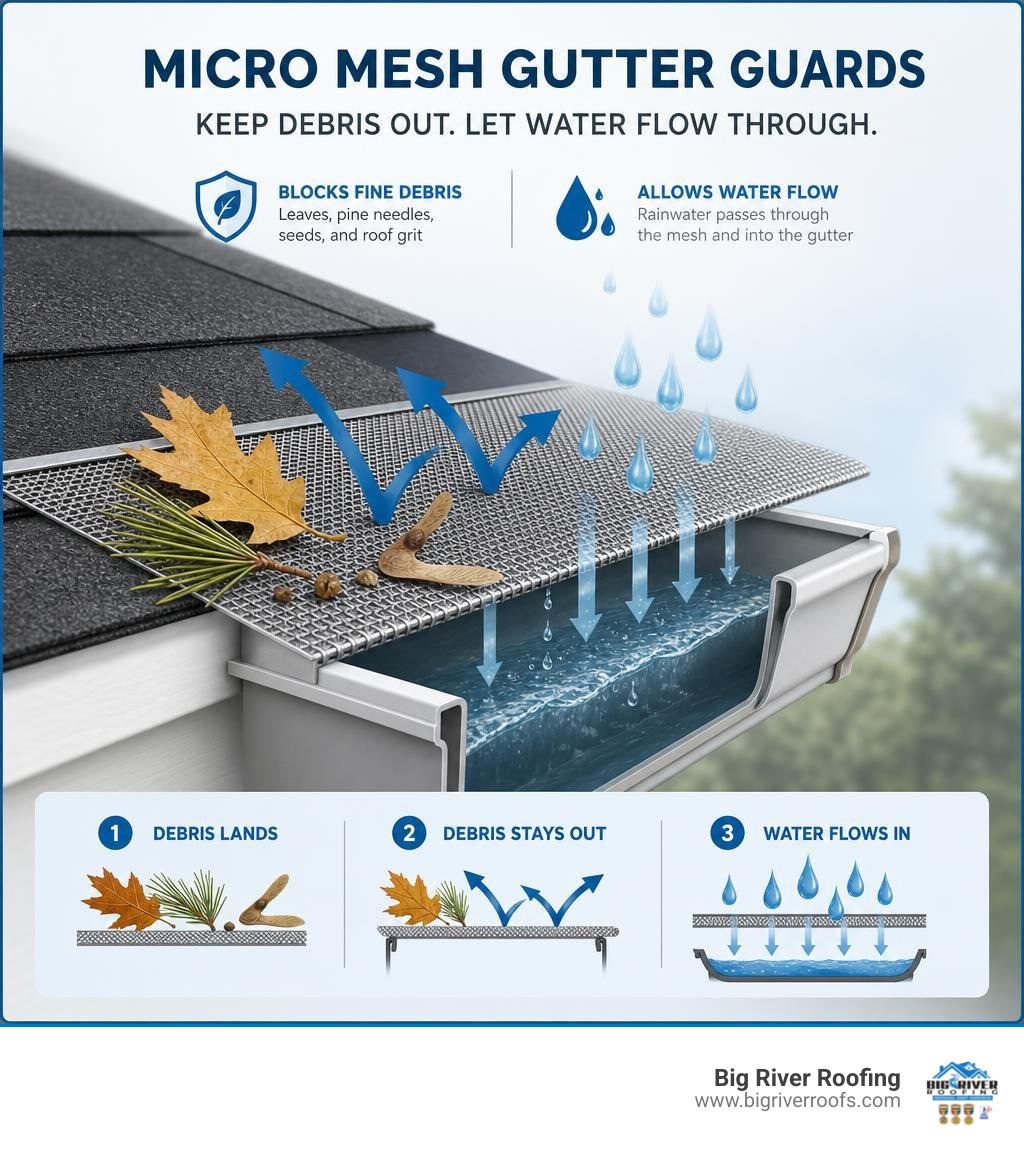
What are micro mesh gutter guards? Micro mesh gutter guards are covers that sit on top of your gutters. They use a ultra-fine stainless steel mesh to block debris like leaves, pine needles, seeds, and roof grit while still letting rainwater flow through freely.
Are they worth it? Quick summary:
| Question | Answer |
|---|---|
| Do they block fine debris like pine needles? | Yes — better than perforated or foam alternatives |
| Do they work in heavy rain? | Yes — most handle storm-level water flow |
| Can homeowners install them? | Yes — many DIY kits are available |
| Do they need any maintenance? | Minimal — occasional seasonal cleaning |
| How long do they last? | Quality products carry 30–35 year warranties |
For homeowners in Western Pennsylvania, clogged gutters aren’t just an annoyance. Heavy storms, falling leaves from mature trees, and freeze-thaw cycles through the winter can turn a blocked gutter into a serious problem — think foundation damage, fascia rot, leaks behind your siding, and ice dams pushing back under your shingles.
The good news is that the right gutter protection can cut your cleaning from several times a year down to almost never.
But not all gutter guards perform the same. Foam inserts get waterlogged. Perforated screens let in pine needles and shingle grit. Micro mesh is in a different class — and understanding why helps you make a smarter buying decision.
I’m Don Kovac, owner of Big River Roofing here in Hermitage, PA, and over the years of installing and inspecting gutters across Mercer, Lawrence, Butler, and Beaver Counties, I’ve seen which gutter guards micro mesh systems hold up through real Western PA weather and which ones fail. This guide covers everything you need to choose, install, and maintain the right system for your home.
What Are Gutter Guards Micro Mesh and How Do They Work?

At their core, micro-mesh gutter guards are designed to solve the biggest flaw of traditional gutter screens: holes that are simply too big. While old-school plastic or wire screens keep out large oak leaves, they easily let in pine needles, maple “helicopters,” wild seeds, and the sandy grit washing off your asphalt shingles.
Micro-mesh systems solve this by utilizing an incredibly fine filter layer. The tiny openings in the mesh are often so small that they are measured in microns or mesh sizes (such as a 30-mesh screen, which packs a whopping 900 microscopic holes into a single square inch). This design allows nothing but water to enter your gutter system, keeping even the finest forest debris out.
When water hits the guard, it is pulled through the mesh and into the gutter channel below, while leaves, twigs, and pine needles remain resting on top. Over time, as the sun dries the debris, a gentle breeze is usually all it takes to blow the dry leaves right off the roof line. If you want to dive deeper into how this mesh is constructed, you can explore the engineering behind Stainless Steel Micro-Mesh Gutter Guards.
How Micro Mesh Differs from Perforated and Foam Guards
To understand why micro-mesh technology has dominated the premium gutter protection market, we have to look at how it compares to the alternatives:
- Perforated Aluminum Screens: These guards feature punched holes in metal sheets. While highly durable and affordable—with systems like Gutter Rx perforated aluminum gutter guards commonly installed for $10–15 per linear foot—they have a major flaw. The pre-punched holes are large enough to invite pine needles to slide right in, and maple seeds can get wedged in the openings, eventually sprouting miniature trees inside your gutters.
- Foam and Brush Inserts: These are cheap, drop-in DIY options. However, they act like giant sponges. They trap organic material, pollen, and shingle grit inside their fibers, turning your gutters into a rich, damp environment where moss, mold, and weeds thrive.
- Micro-Mesh Guards: By utilizing surface tension and micro-apertures, these guards block 100% of debris types while maintaining excellent water-handling capacity.
| Feature | Micro-Mesh Guards | Perforated Aluminum | Foam Inserts |
|---|---|---|---|
| Blocks Pine Needles? | Yes (Excellent) | No (They slip through) | No (They get stuck) |
| Blocks Shingle Grit? | Yes | No | No (Traps it inside) |
| Water Flow Capacity | Extremely High | Moderate to High | Low (Reduces over time) |
| Average Cost (Installed) | $25 – $45+ per ft | $10 – $15 per ft | $3 – $8 per ft (DIY) |
| Lifespan | 20 – 35+ Years | 10 – 20 Years | 1 – 3 Years |
The Science of Debris Filtration and Water Flow
How does water actually get through such a fine mesh without simply sheeting off the edge of your roof like a ski jump? The secret lies in advanced fluid dynamics and surface tension.
Quality manufacturers don’t just lay a flat piece of screen over your gutters. They design the mesh with structural shapes. For example, Gutterglove uses patented V-Bend Technology, which molds the stainless steel mesh into structural V-shaped channels. This design serves two purposes:
- Structural Rigidity: It allows the guard to support heavy snow and ice loads without sagging or requiring a bulky under-frame.
- Water Siphoning: The V-shape acts as an active siphon, breaking the surface tension of the water and pulling it down into the gutter, even during torrential summer downpours.
Other premium designs use Z-bend technology to mechanically lock the mesh into an aluminum or copper frame without using cheap adhesives or sealants that can degrade under the hot summer sun.
Key Benefits and Performance in Extreme Weather
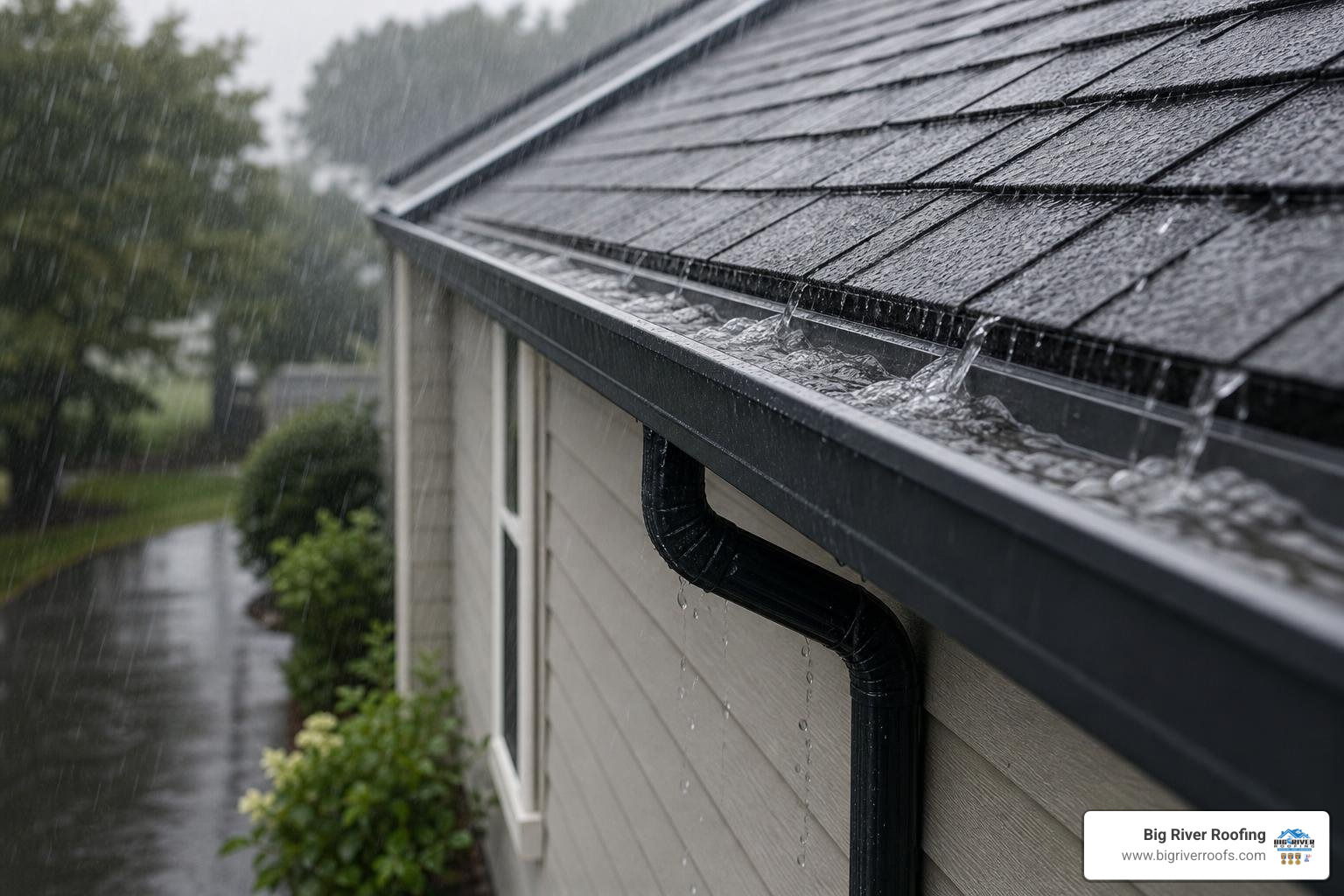
Living in Western Pennsylvania means our homes have to withstand a wide range of weather conditions. From sudden summer thunderstorms to heavy lake-effect snow and freezing winter temperatures, your gutters take a beating.
Standard gutters can easily fail under these conditions. However, a premium micro-mesh system—such as the 6” Micromesh Gutter Guards from Art of Gutter—is built to handle these extremes. Let’s look at how they perform when the weather gets rough.
Unmatched Protection Against Fine Debris
Because the mesh openings are so microscopic, these guards offer unmatched protection against fine debris. In the spring, trees drop pollen, oak tassels, and seeds. In the fall, they drop needles and leaves.
Without micro-mesh, this organic mixture forms a thick, black sludge at the bottom of your gutters. This sludge acts as a breeding ground for pests like mosquitoes, wasps, and even mice. Micro-mesh keeps all of this out, protecting your home’s foundation from water overflow and keeping pests from nesting near your roofline.
Performance of Gutter Guards Micro Mesh in Heavy Rain
A common worry among homeowners is whether gutter guards micro mesh systems will overflow during a heavy rainstorm.
Fortunately, high-quality micro-mesh systems are engineered to handle intense rainfall. Some advanced systems use specialized designs, like the HydroVortex technology found in MasterShield Gutter Protection. This technology actively pulls water downward through the first half-inch of the filter, allowing it to handle up to 28.4 inches of rainfall per hour. This is far more rain than any storm in Western PA will ever throw at your home!
Material Selection, Costs, and Installation Options
When choosing a micro-mesh system, the materials used will directly impact how long the guards last and how much they cost.
- Marine-Grade Stainless Steel (304 or 316): This is the gold standard for the mesh itself. It will not rust, corrode, or warp over time.
- Anodized Aluminum Frames: This lightweight, strong material holds the mesh in place and resists bending under heavy snow and ice.
- Copper and Brass: For historic homes or properties with copper gutters, copper-framed guards with brass mesh offer a beautiful, high-end look that patinas naturally over time.
DIY vs. Professional Installation and Roof Warranties
If you are a handy homeowner, there are highly rated retail kits available. For example, the 4 ft. L x 5 in. W Stainless Steel Micro-Mesh Gutter Guard (80 ft. Kit) is a popular choice, covering 79.2 nominal feet and boasting a 4.8 out of 5-star rating from over 9,700 customers.
However, DIY installation comes with risks:
- Ladder Safety: Working on a ladder for hours, especially on two-story homes, is inherently dangerous.
- Roof Warranties: Many DIY kits require you to slide the back edge of the guard under your shingles. If you lift or damage your shingles during this process, you could void your manufacturer’s roof warranty.
- Gutter Pitch: If your gutters aren’t pitched correctly to begin with, installing guards won’t solve your water problems.
At Big River Roofing, our professional Services ensure that your gutter guards are mounted securely to the fascia board or the gutter frame itself—never touching or compromising your roof’s shingles.
Cost Comparison and Long-Term Value
While micro-mesh systems offer the best protection, they do require a higher upfront investment than simple plastic screens.
Some heavily advertised national gutter guard brands charge premium prices, often quoting $42 per linear foot or more. In fact, one major national advertiser even settled a $5.2 million class-action lawsuit over claims that their micro-mesh guards didn’t shed debris as advertised.
At Big River Roofing, we believe in honest pricing and high-quality materials. By choosing a local, trusted contractor to install your Gutters and guards, you get premium, long-lasting protection with a transferable lifetime warranty (often up to 35 years) without the high-pressure sales tactics.
Maintenance and Troubleshooting for Micro-Mesh Systems
Let’s address a common myth: no gutter guard is 100% maintenance-free. While micro-mesh guards will keep the inside of your gutters completely clean, the surface of the guards will still need a little attention from time to time.
How to Maintain Your Gutter Guards Micro Mesh
Over the course of a year, fine dust, pollen, and tree sap can settle on top of the mesh. In Western PA, this can sometimes combine with shingle grit to form a thin, pasty film. If left alone, this film can act like a seal, causing rainwater to slide right over the guard instead of falling into the gutter.
Fortunately, cleaning them is simple:
- The Soft Brush Method: Use a soft-bristled brush on an extension pole to sweep away dry leaves or pine needles. Never use a wire brush, as it can tear the fine mesh.
- The Hose Rinse: Use a garden hose with a spray nozzle to wash away pollen and dust.
- Seasonal Timing: We recommend a quick check-up in late fall after all the leaves have dropped, and a brief look in early spring to make sure winter ice hasn’t caused any issues.
Troubleshooting Common Issues Like Water Sheeting
If you notice water pouring over the edge of your gutters during rain, it is usually caused by one of three things:
- Organic Film: As mentioned above, a quick spray with a hose will wash away any pollen or sap buildup.
- Improper Pitch: If the guards are installed at too steep of an angle, they can act like a ramp, launching water over the edge.
- Downspout Clogs: If the guard is clean but water is backing up, check the downspouts for blocks below the gutter line.
If you ever suspect your roof or gutters have suffered storm damage, our team is always ready to help with professional Roof Repair and gutter adjustments.
Frequently Asked Questions About Micro-Mesh Gutter Protection
Do micro-mesh gutter guards work in heavy rain?
Yes! High-quality micro-mesh guards are specifically designed to handle heavy downpours. By utilizing surface tension and advanced engineering like V-bend or HydroVortex technology, they break the flow of water and pull it directly into the gutter channel, preventing overflow even during severe summer storms.
Will installing micro-mesh guards void my roof warranty?
It depends on how they are installed. If you choose a system that slides under your shingles and lifts them, you risk voiding your roof warranty. However, when you work with Big River Roofing, we use fascia-mounted or gutter-frame-mounted installation methods that do not touch or disturb your shingles, keeping your Roof Replacement warranty fully intact.
How often do micro-mesh gutter guards need to be cleaned?
Most homeowners only need to do a quick spot-check once or twice a year. If your home is surrounded by heavy pine trees or oak trees, you may need to brush off the surface in late fall. For homes with fewer overhanging trees, the wind will do most of the cleaning for you!
Conclusion
If you want to protect your home from water damage, mold, and foundation issues, investing in gutter guards micro mesh technology is one of the smartest choices you can make. It keeps your gutters clean, protects your roofline, and saves you from dangerous climbs up a ladder.
At Big River Roofing, we are proud to serve our neighbors throughout Hermitage, Mercer County, Lawrence County, Butler County, Beaver County, and Allegheny County. We offer honest communication, manufacturer-certified installations, and free inspections.
Ready to stop the clog for good? Contact us today to learn more about our professional Gutters and gutter protection services!