What Homeowners in Western PA Need to Know About Siding Replacement
Siding replacement is one of the most impactful home exterior projects you can make — protecting your home from moisture, improving energy efficiency, and boosting curb appeal all at once.
Here’s a quick summary before we dive in:
| Question | Quick Answer |
|---|---|
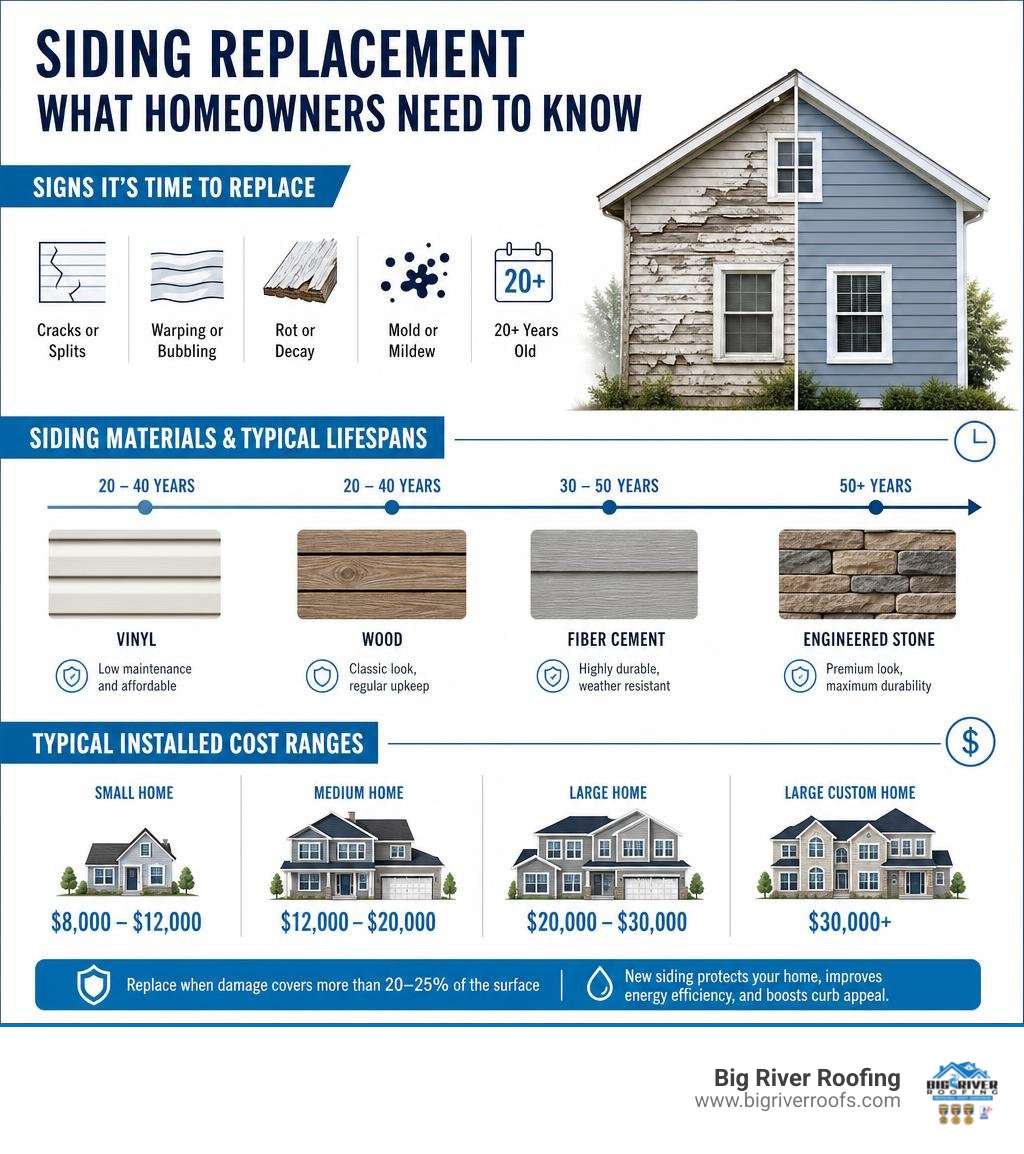
| When do you need it? | Cracking, rot, warping, mold, or siding that’s 20+ years old |
| How much does it cost? | $8,000 – $30,000 for most homes depending on material and size |
| Best material for wet climates? | Fiber cement (30–50 year lifespan) or quality vinyl (20–40 years) |
| How long does it take? | 1–2 weeks for most homes |
| Repair or replace? | Replace when damage covers more than 20–25% of the surface |
Most homeowners don’t think about their siding until something goes visibly wrong. By that point — warped panels, soft spots near the foundation, water stains creeping inside — what started as a surface problem may have already reached the sheathing or framing underneath. That’s when a straightforward project becomes a much more expensive one.
The good news: understanding the full picture before you call a contractor puts you in a much stronger position to make a confident, cost-effective decision.
I’m Don Kovac, owner of Big River Roofing, and over the years I’ve overseen dozens of siding replacement projects across Mercer, Lawrence, Butler, and Beaver Counties — giving me a clear view of what Western PA homes actually face when siding reaches the end of its life. Read on for an honest, detailed breakdown of costs, materials, and what to expect from the process.
Signs Your Home Needs Siding Replacement

Our homes in Western Pennsylvania take a beating. From humid, rainy summers to freezing winters with heavy lake-effect snow, the local climate puts your home’s exterior through extreme freeze-thaw cycles. Over time, this constant expansion and contraction causes materials to fatigue.
If you are trying to decide whether it is time to invest in new siding, look out for these common visual and structural warning signs:
- Rot and Soft Spots: This is especially common with wood siding. If you press a screwdriver handle against your siding and it feels spongy or makes a hollow sound, dry rot has likely settled in beneath the surface.
- Warping and Buckling: When panels warp, they pull away from the wall, breaking the watertight seal. This allows wind-driven rain to slip directly behind the siding.
- Cracking and Missing Pieces: Even small hairline cracks can let in moisture. Once water gets behind a cracked panel in winter, it freezes, expands, and tears the panel completely open.
- Pest Intrusion: Woodpeckers, termites, and carpenter ants love failing wood siding. If you notice persistent pest damage or small holes, it is a sign that the material is soft, damp, and inviting to critters.
- Peeling Interior Paint or Wallpaper: Sometimes the clearest signs of siding failure happen inside your home. If moisture breaches the exterior barrier, it will travel through the sheathing and drywall, causing indoor paint to bubble or peel.
- Mold, Mildew, and Biological Growth: Green algae on vinyl is common and can usually be pressure-washed. However, black mold or white fuzzy fungus indicates trapped, stagnant moisture that is rotting the wood sheathing underneath.
- Spike in Utility Bills: If your heating and cooling costs are climbing without explanation, your siding may be letting in drafts. Older siding systems lack modern housewraps and rigid foam insulation, allowing heat to escape through “thermal bridging” across your wall studs.
If you notice any of these red flags across multiple sides of your home, it is time to consult with our professional siding services to prevent structural damage to your framing.
Siding Cost Breakdown by Material and Size
When it comes to budgeting for a siding replacement, there is no single “one-size-fits-all” price. Nationally, and right here in Western PA, a full home siding replacement typically costs between $8,000 and $30,000.
Where your project lands in that range depends on two main variables: the material you choose and the total square footage of your home’s exterior walls. Let’s break down these costs so you can plan your budget realistically.
Siding Replacement Cost by Material
The material you choose is the single biggest cost driver. It affects not only the upfront price of the panels but also the labor required for installation, as heavier materials like fiber cement take longer to install than lightweight vinyl.
Here is how the most popular siding materials compare in 2026:
| Siding Material | Average Installed Cost (Per Sq. Ft.) | Expected Lifespan | Maintenance Level |
|---|---|---|---|
| Vinyl Siding | $5.00 – $12.00 | 20 – 40 Years | Very Low (Occasional wash) |
| Fiber Cement (James Hardie) | $7.00 – $14.00 | 30 – 50 Years | Moderate (Repaint every 15 years) |
| Wood / Cedar Siding | $6.00 – $12.00 | 20 – 40 Years | High (Stain/seal every 3–5 years) |
| Engineered Wood | $5.00 – $10.00 | 20 – 40 Years | Moderate (Low paint upkeep) |
| Aluminum Siding | $4.00 – $9.00 | 20 – 40 Years | Low (Can dent or fade) |
Understanding Local Siding Costs in Pennsylvania
Because labor rates, disposal fees, and historic home prep vary by region, national cost calculators often miss the mark. Local factors like climate prep and regional labor play a major role in determining your final estimate.
If you are looking at specific neighborhoods in Western PA, costs can vary slightly based on local housing stock and historic home guidelines. For example:
- In Hermitage and Mercer County, vinyl is highly favored for its budget-friendly weather resistance.
- In Beaver County and Allegheny County, contractors often deal with older, multi-story homes that require extra preparation, scaffolding, and old siding removal.
- If you look at THE BEST 10 SIDING IN PITTSBURGH, PA – UPDATED JUNE 2026 or search for the Top 10 Best Siding pros in Butler, PA | Angi , you will see that local expertise is essential to handle the unique architectural styles of Western PA homes.
Siding Replacement Cost by Home Size
Your home’s floor plan square footage is not the same as your exterior wall square footage. A 2,000-square-foot home with two stories and complex gables has significantly more exterior wall surface area than a single-story ranch with the same footprint.
To give you a general idea of total project costs based on home size and mid-grade vinyl siding:
- 1,500 Sq. Ft. Exterior Wall Area: $7,500 – $18,000
- 2,000 Sq. Ft. Exterior Wall Area: $10,000 – $24,000
- 2,500 Sq. Ft. Exterior Wall Area: $12,500 – $30,000
Contractors apply complexity multipliers (usually 10% to 30% extra) for homes with multiple stories, steep rooflines, dormers, and complex bump-outs because these features require more custom cuts, safety scaffolding, and slower installation speeds.
Key Factors That Influence Your Installation Budget
Beyond the physical panels, several behind-the-scenes factors will shape your final estimate. When you browse our project gallery, you will see the level of detail that goes into a flawless finish.
Here are the main elements that influence your budget:
- Permits and Local Fees: Depending on your municipality in Butler, Beaver, or Allegheny County, local building permits can range from $150 to $1,500.
- Old Siding Removal and Disposal: Tearing off and hauling away your old siding typically adds $0.50 to $2.00 per square foot to the project.
- Seasonal Scheduling: Siding can be installed year-round, but demand peaks from late spring through autumn. Scheduling your project during the late winter or early spring (off-season) can sometimes save you 10% to 15% on labor.
What is Included in a Professional Installation?
A high-quality siding replacement is a complete, multi-step system designed to shield your home from the elements. A professional estimate should always include:
- Full Tear-Off: Removing all old siding down to the bare wood sheathing.
- Wall Inspection: Checking the exposed sheathing for rot or insect damage.
- Moisture Management: Installing a high-quality housewrap (like Tyvek) and sealing it with specialized seam tape to create a wind- and water-resistant barrier.
- Flashing Installation: Placing metal flashing around windows, doors, and roof-to-wall intersections to divert water away from your walls.
- Precision Siding Installation: Hanging the panels according to manufacturer specifications (including leaving gaps for thermal expansion so vinyl does not buckle in the summer heat).
- Soffit, Fascia, and Trim Work: Replacing or wrapping your trim, soffits, and fascia boards to ensure a matching, maintenance-free finish.
Hidden Moisture Damage and Sheathing Repairs
One of the most critical steps in any siding project happens after the old panels are removed. In about 30% to 40% of siding projects on older Western PA homes, we discover hidden moisture damage or rotted sheathing boards underneath.
If water has bypassed your old siding, it can rot the plywood or OSB backing. Replacing damaged sheathing typically costs $2.00 to $4.00 per square foot for materials and labor. While discovering rotted wood can add a few hundred dollars to your project, ignoring it and siding over it is a recipe for structural disaster.
To help you plan without surprises, we offer free inspections to evaluate your home’s exterior before you sign any contract.
Frequently Asked Questions About Home Exteriors
How long does a typical siding project take?
For a standard-sized, single-family home, a professional siding replacement usually takes 7 to 14 working days. The exact timeline depends on:
- Weather: Heavy rain, high winds, or freezing winter storms can delay outdoor work.
- Complexity: Multi-story homes with intricate trim details require more time.
- Crew Size: A dedicated, experienced crew keeps the project moving safely and efficiently.
Should I repair or fully replace my siding?
If you only have minor damage to one or two panels (for example, from a stray baseball or a rogue lawnmower), a simple spot repair is usually the most cost-effective choice.
However, we recommend a full replacement if:
- The damage covers 20% to 25% or more of your home’s exterior.
- The siding is near the end of its expected lifespan (20+ years for older vinyl).
- You are constantly patching different areas, meaning the material itself has become brittle and failed.
What warranties are typically offered on new siding?
A reliable siding project is backed by two distinct warranties:
- Manufacturer Product Warranty: This covers defects in the material itself (such as fading, cracking, or peeling) and often lasts 20 years to a lifetime.
- Workmanship Warranty: This is provided by your contractor and covers the quality of the installation. At Big River Roofing, we pride ourselves on our manufacturer-certified installations, ensuring your product warranties remain fully valid.
Conclusion
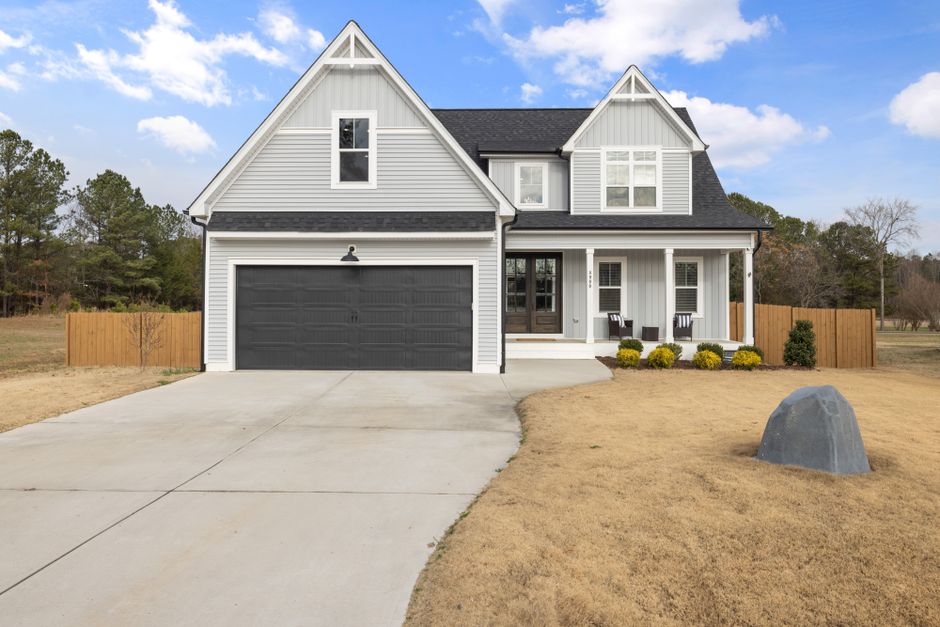
Investing in a siding replacement is about more than just giving your home a fresh, beautiful new look. It is a vital shield that protects your family, your framing, and your hard-earned equity from the unpredictable Western Pennsylvania weather.
Whether you live in Hermitage, Butler, Beaver, or Allegheny County, choosing the right material and working with an experienced, local team makes all the difference. At Big River Roofing, we combine manufacturer-certified installations with honest, clear communication and strong warranties to give you absolute peace of mind.
Ready to protect and beautify your home? Contact us today to schedule your free inspection, or learn more about our premium siding replacement services to find the perfect fit for your home.